San Francisco Bay Area Genealogy Calendar: August 2010 Published

by Kathryn Doyle (7/25/2010)

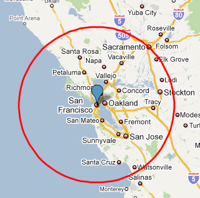
August events have been published on the San Francisco Bay Area Genealogy Calendar – a collection of local genealogical society classes, workshops and meetings within a 75 mile radius of San Francisco.

The monthly list of Bay Area genealogy programs continues to grow as more societies submit their items to the calendar.

If you would like your group’s events added to the calendar, please email the information by the 20th of each month for publication on the 25th. (Put “SFBA Calendar” in the subject line.)
 

Copyright © 2010 by Kathryn M. Doyle, California Genealogical Society and Library
What You Missed: California’s Newspapers with Dr. Henry Snyder

by Kathryn Doyle (7/23/2010)

The newspaper is the most important printed source for local history and especially so for genealogists. 
– Dr. Henry Snyder

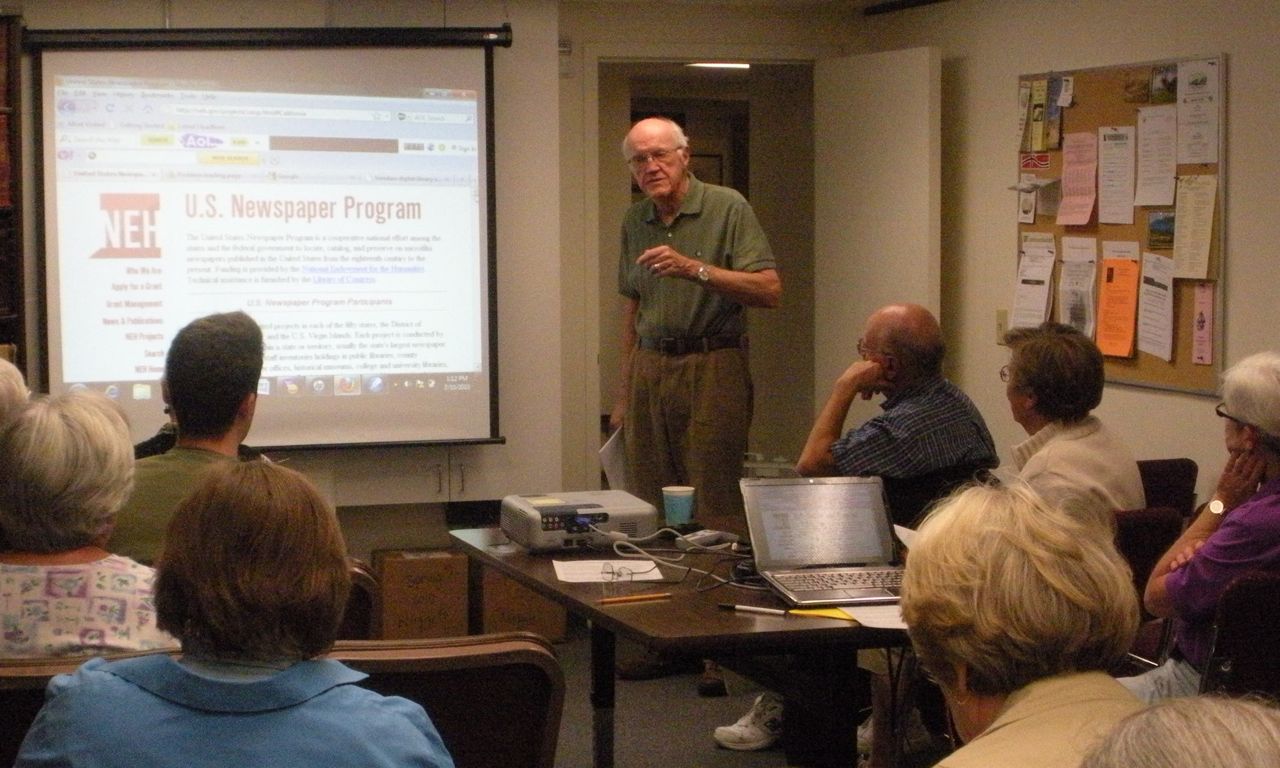
On Saturday, July 10, 2010, at the CGS July membership meeting, Dr. Henry Snyder presented The California Newspaper: A Genealogical Treasure, What Survives, How to Find and Use It. Henry is a member of CGS and Professor of History Emeritus at the University of California, Riverside.

Dr. Snyder described the national umbrella project, The United States Newspaper Program, managed by the Library of Congress and funded by the National Endowment for the Humanities. Each state, the District of Columbia, Puerto Rico, and the U.S. Virgin Islands had a program which spent twenty-five years locating, cataloging, and microfilming newspapers published in the United States from the eighteenth century to the present.

Now retired, Snyder continues to offer assistance to The Center for Bibliographical Studies and Research (CBSR) at the University of California, Riverside, where he was the director of the California Newspaper Project from 1990 through 2009. He and his team scoured the state, chasing down any clues that might lead to a stash of old papers or microfilm. According to their website, “Close to 9,000 California newspapers were inventoried in over 1,400 repositories throughout the state, 1.5 million pages of California newspapers were preserved and made available on microfilm, and 100,000 rolls of negative microfilm rolls are being processed for permanent storage at the UC Regional Library Storage Facilities.”

Although the first California newspaper wasn’t published until 1846, the state has the third largest number of known titles after New York and Illinois. Papers have been published in thirty-nine different languages in the state, including Greek, Latin, Hebrew, Japanese and Chinese.

The state program has evolved into the California Digital Newspaper Collection. As of today, the collection contains 44,922 issues comprising 396,287 pages and 4,907,047 articles. Approximately 200,000 of these pages can also be accessed through Chronicling America on the Library of Congress website.

Copyright © 2010 by Kathryn M. Doyle, California Genealogical Society and Library

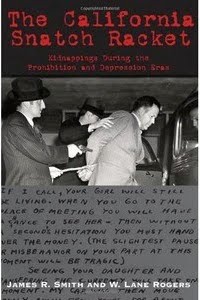
Member Book – The California Snatch Racket: Kidnappings During the Prohibition and Depression Eras

by Kathryn Doyle (7/19/2010)

CGS member James R. Smith is busy promoting his newest book:

The California Snatch Racket: Kidnappings During the Prohibition and Depression Eras

Bringing a dark and forgotten era into vivid life, this fascinating history explores a booming criminal enterprise that was spawned in California in the 1920s and 1930s. Exposing a spree of kidnappings referred to as the “snatch racket,” true accounts of the crimes and the unfortunate victims are revealed. Driven by greed, desperation, or sheer stupidity, this detailed discussion explains that the ransom artists preyed indiscriminately on Hollywood socialites, wealthy heiresses, and even the poor—while each new disappearance brought new headlines and sales to the newspaper companies.

Illustrating the manner in which even the simplest capers would often run tragically awry, fifteen bizarre and often ironic tales are presented, including how a modern city rose to lynch a pair of kidnappers, the college kids who chose to imitate Leopold and Loeb, and the famed evangelist who faked her own abduction to cover up an affair. Early forensic techniques are described, including the first documented call tracing using a bevy of operators in a phone chain, as well as the birth of the modern symbiotic relationship between the news media and high-profile crime, demonstrating how the sensationalism of personal tragedy became a source for increased media sales.

Jim is also the author of San Francisco’s Lost Landmarks, published in 2004.

Copyright © 2010 by Kathryn M. Doyle, California Genealogical Society and Library